Mrignayani, a curious young girl from a small village in Madhya Pradesh, spent her nights gazing at the stars. She had heard stories of astronauts and distant galaxies, but understanding them felt like deciphering a foreign language.
One evening, she stumbled upon a documentary about black holes. It was fascinating, but the complex jargon and English narration left her bewildered. Why isn’t science explained in a way that everyone can understand? She wondered.
This question stayed with her as she grew older. She saw her mother use medicinal plants with remarkable accuracy, her father make weather predictions based on subtle changes in the air, and her neighbors debate myths about eclipses.
Knowledge was everywhere, but science, as taught in schools and shared in media, often felt disconnected from their everyday lives. Mrignayani was determined to change that.
Science communication is essential for creating an informed society, fostering scientific temperament, and dispelling myths. In a diverse country like India, where literacy levels, languages, and cultural perspectives vary widely,
making science accessible to the public requires a tailored approach. Here’s how we can effectively communicate science in India:
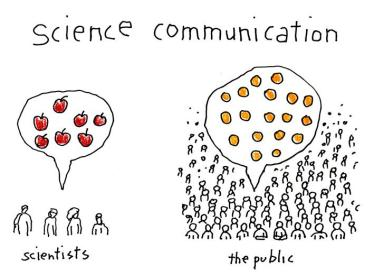
One of the biggest challenges in science communication in India is language, as English is spoken by only a small portion of the population. To ensure scientific knowledge reaches everyone, it is essential to translate and simplify content into regional languages. Using simple words instead of technical jargon and explaining concepts through relatable analogies and storytelling can make science easier to understand. Additionally, traditional folk media such as puppetry, street plays, and folk songs can be powerful tools to make scientific topics more engaging and accessible to people from all backgrounds.

With the widespread use of smartphones and affordable internet, digital and social media have become powerful tools for science communication in India.
Creating short and engaging explainer videos for platforms like YouTube, Instagram, and Facebook can help simplify complex concepts for a broader audience.
Twitter (X) and LinkedIn can be used to share science news, foster discussions, and provide expert insights. These platforms can also be used by scientists to explain their research in more accessible ways and engage with non-specialist audiences.
Podcasts in regional languages can effectively reach those who prefer listening over reading, making science more accessible. Additionally, infographics and cartoons can break down complex topics into visually appealing and shareable content, enhancing public engagement with science.
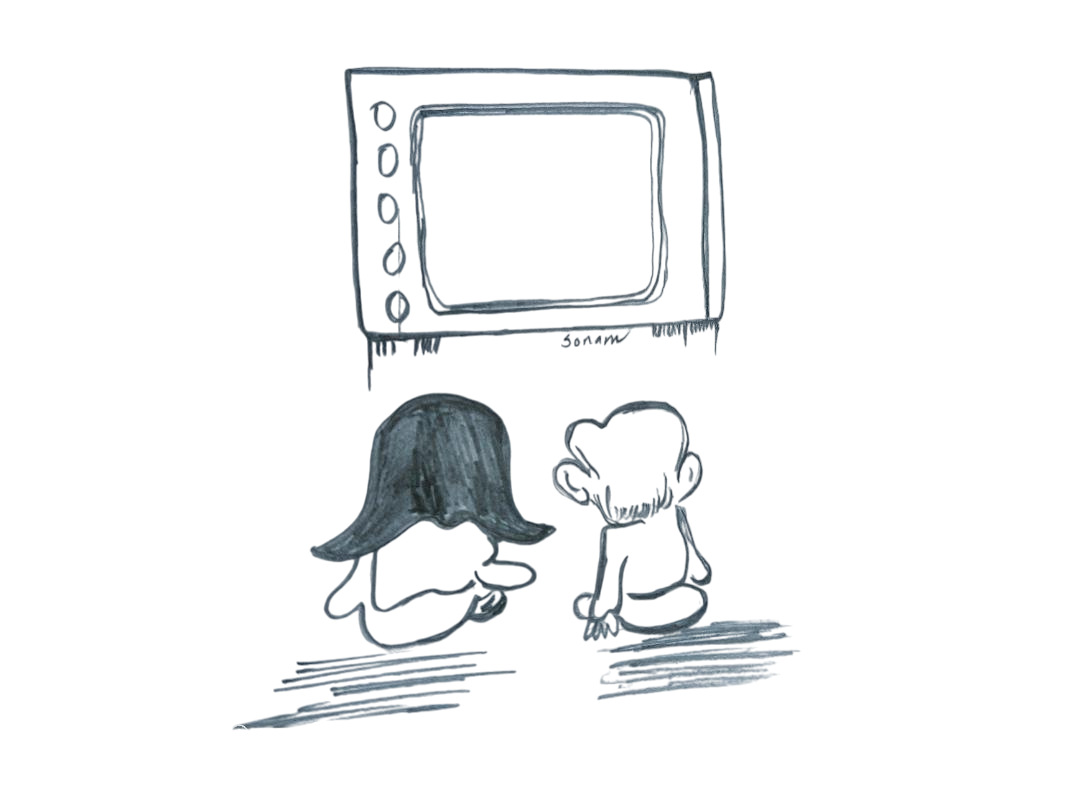
 While digital media is expanding, traditional platforms like newspapers, television, and radio still have a strong presence, especially in rural India. Writing science columns in vernacular newspapers can help reach a broad readership and make scientific knowledge more accessible. Collaborating with TV channels and radio stations to produce science-based programs can further enhance public understanding. Community radio stations can play a crucial role in addressing local scientific concerns, such as agriculture, climate change, and public health, by providing relevant and practical information in regional languages.
People are more likely to engage with science when they see its direct impact on their daily lives. Framing discussions around local issues such as climate change, health, farming, and technological advancements can make science more relatable. Connecting scientific principles with traditional practices like Ayurveda and sustainable agriculture helps bridge the gap between modern and indigenous knowledge. Showcasing innovations by Indian scientists and entrepreneurs can foster pride and interest in homegrown science, encouraging more people to appreciate and engage with scientific advancements.
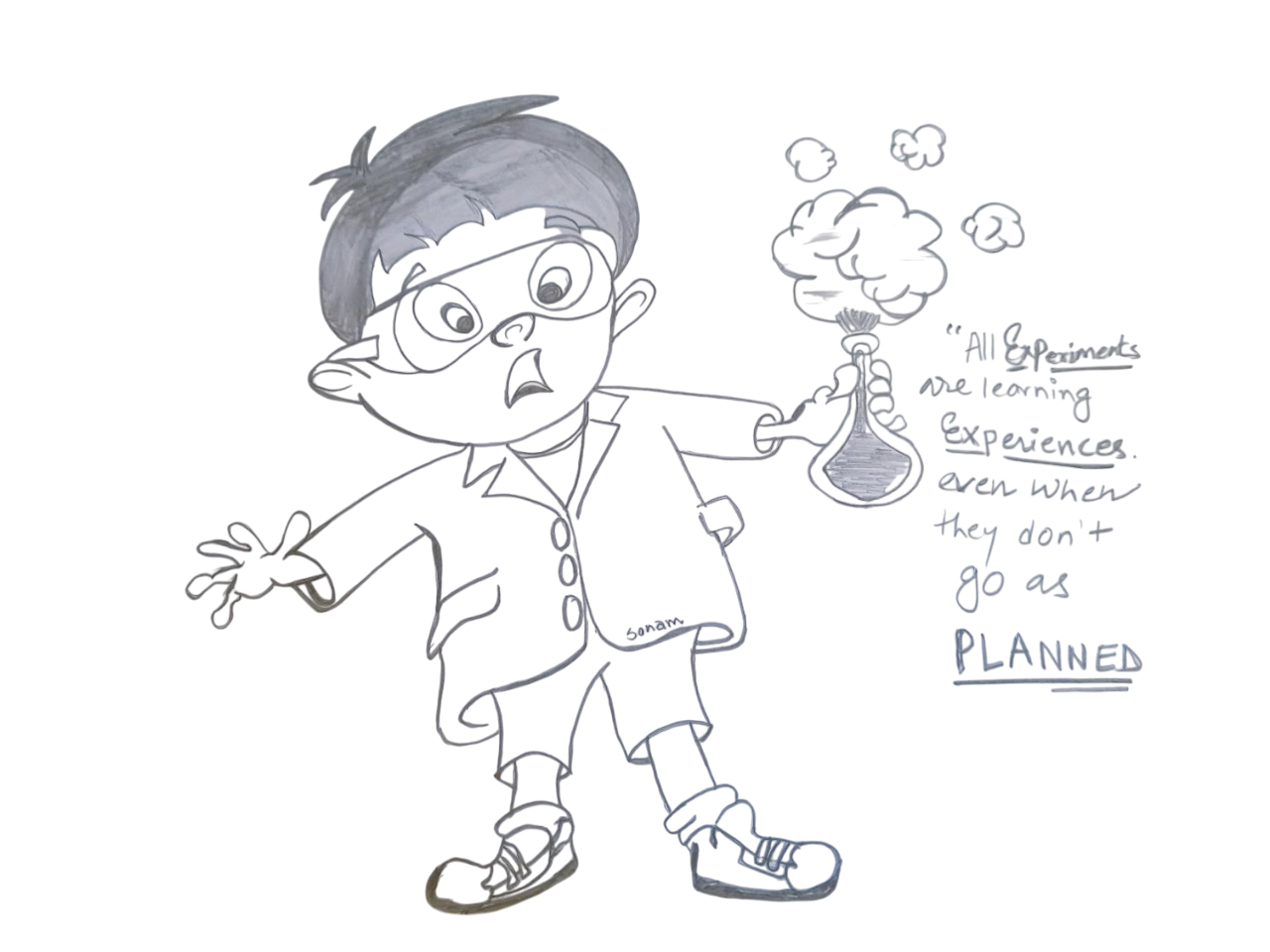
Science is best understood when experienced first hand, and interactive activities can greatly enhance science literacy. Organizing science fairs, museum visits, and interactive exhibitions can spark curiosity and make learning more engaging. Hands-on workshops for students and the general public provide practical exposure, making complex concepts easier to grasp. Encouraging citizen science projects allows individuals to actively participate in data collection and research, fostering a sense of involvement and appreciation for scientific inquiry.
Collaboration with government bodies and institutions can strengthen science communication efforts in India. Organizations like Vigyan Prasar, National Council for Science & Technology Communication (NCSTC), and Council of Scientific & Industrial Research (CSIR) are dedicated to promoting scientific awareness and can be valuable partners in developing educational programs.
Working with schools and universities to integrate science communication into curricula can help nurture a culture of scientific thinking from an early age. Engaging policymakers is also crucial to advocate for evidence-based decision-making, ensuring that scientific knowledge plays a key role in shaping public policies and societal progress.
Effective science communication in India requires a mix of language accessibility, digital innovation, traditional media, and community engagement. By making science more relatable and interactive, we can foster a scientifically aware society that values critical thinking and evidence-based knowledge.

Written By-
Dr. Sonam Pandey
Scientist-RDO
Centre for Stem Cell Research (a unit of inStem, Bengaluru),
Christian Medical College Vellore, Tamil Nadu, India